
EU waste transport permits – Germany, Italy and Benelux
Transporting waste within the EU is not governed solely by a single set of EU-wide rules. In practice, carriers must also verify the applicable national requirements. Germany, Italy, and the Benelux countries each operate their own waste transport permits for companies delivering waste. For this reason, before entering a new market, it is worth determining not only the route and the type of waste involved, but also the relevant local register, the competent authority, and the scope of documents that must be in place before the first shipment takes place.
WASTE TRANSPORT PERMITS ARE ONLY THE FIRST STEP – WHAT CHANGES FROM 21 MAY 2026?
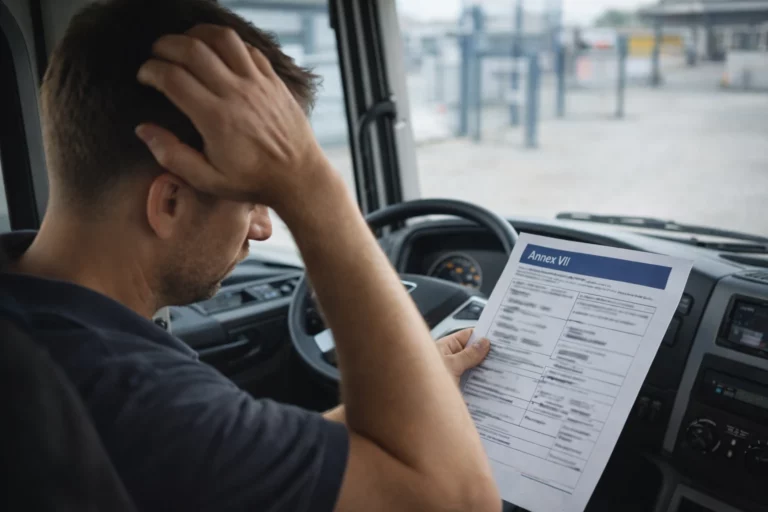
From 21 May 2026, waste shipments involving an EU Member State will move to DIWASS. This means that having waste transport permits alone will no longer be sufficient. Shipment procedures and documentation will be handled electronically, including Annex VII documents and digital workflows related to notification procedures. Do not wait until the deadline. Act now and make sure your business is ready for compliant future shipments. Contact us for more information about DIWASS implementation:
e.nadolna@ekologistyka24.pl , +48 881 045 376
j.blazewicz@ekologistyka24.pl , +48 500 867 153
Why one authorization is not enough across the EU

The common European framework has not eliminated national obligations for waste carriers. This means that waste transport within the EU requires a separate assessment of the target market. In one country, a notification may be sufficient. In another, a formal permit is required. Elsewhere, companies must also obtain registration in a dedicated waste carrier register. A standard transport licence or experience in international transport is therefore not enough to ensure compliance.
Before starting operations, it is worth checking four key points:
This is precisely the stage at which companies most often make a mistake. They assume that a single national authorisation automatically grants access to the entire EU market.
Germany: notification or permit depending on the type of waste
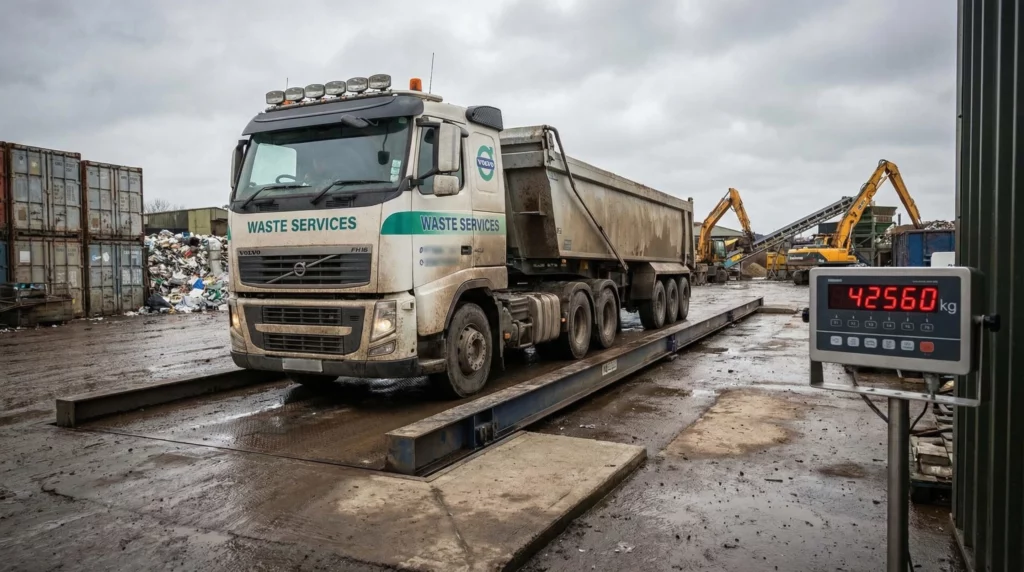
In Germany, the system is based primarily on Sections 53 and 54 of the KrWG. As a general rule, activities involving non-hazardous waste require a application to be submitted before operations begin. The transport of hazardous waste requires a more thorough preparation, unless a statutory exemption applies. Importantly, this obligation also covers cross-border shipments. Once confirmed, the permit is valid throughout Germany. The carrier must also keep a copy of the document with him during transport.
Before entering the German market, it is therefore necessary to determine whether the company is subject only to a notification requirement or already to a full permit requirement for hazardous waste. It is also essential to verify whether the scope of the authorisation covers the exact type of waste that will be transported through Germany. In addition, the driver must carry a document confirmed by the competent authority. A common mistake is to assume that a standard transport licence is equivalent to the right to transport waste. In Germany, that is not sufficient.
Italy: Registration in the Albo Nazionale Gestori Ambientali Is Essential
In Italy, lawful waste transport depends on prior registration in the national environmental register for waste operators. For non-hazardous special waste transported on behalf of third parties, companies generally need the registration category used for that activity. Hazardous waste falls under a separate category, while the transport of a company’s own waste by the original producer is subject to a different, more limited regime. There is also a dedicated category for businesses carrying out cross-border waste transport operations on Italian territory. The system is therefore not based on one universal permit, but on matching the company’s activity to the correct registration category and class.
Before starting operations, a company should verify that its registration is active, that it covers the intended waste stream and business model, and that its status can be confirmed through the official public list of registered operators. This distinction is important because transporting a company’s own waste is not regulated in the same way as transporting waste on behalf of third parties. In practice, this makes pre-transport verification essential: a carrier may have a registration in Italy, but still be non-compliant if the category, class, or authorised scope does not match the actual operation.
Benelux: three countries – three different waste transport permits

The Netherlands
In the Netherlands, companies that professionally transport or collect industrial or hazardous waste must hold VIHB registration and appear on the national public list. The system also covers waste dealers and brokers, although the professional-competence requirement applies specifically to those activities rather than to transport and collection as such. For carriers entering the Dutch market, the key point is to verify that the company is properly registered and that its status can be confirmed through the public register before the first shipment is carried out.
Belgium
Belgium does not operate as a single formal market for waste transport, because the rules depend on the region in which the activity takes place. In Flanders, waste transport on behalf of third parties requires prior registration, including for foreign companies. In Wallonia, non-hazardous waste transport requires registration, while hazardous waste transport requires a separate approval, with validity limited to a maximum of five years. Brussels also requires registration for waste carriers, including in cross-regional and transit situations, which means that companies should always verify the regional rules applicable to the actual route and type of waste before starting operations.
Luxembourg
In Luxembourg, professional or commercial waste collection and transport (import and export) on behalf of third parties may begin only after the company has obtained the relevant permit for the type of waste concerned. The application process typically requires supporting business and company documents, evidence linking the transport activity to the waste producer or a duly authorised intermediary, and ongoing compliance with record-keeping and reporting obligations. These permits are generally issued for five years, and any extension of scope requires a further application, which makes advance verification essential before entering the Luxembourg market.
Why is it worth having waste transport permits in Europe?
Having the correct waste transport permits in Europe is not just a legal formality. It is a practical safeguard that allows carriers to operate smoothly, enter new markets with confidence, and avoid delays, penalties, or rejected shipments. Since individual countries — and in some cases even regions — apply their own registration, notification, or permit systems, proper authorisation confirms that the company is legally prepared to carry out transport in a given market and for a specific type of waste.
For this reason, obtaining the required permits should be seen as an essential part of doing business internationally, not as an administrative burden. A company that verifies its status in advance, checks the applicable local requirements, and ensures that its vehicles and waste codes are properly covered gains a clear operational advantage. In cross-border waste transport, compliance is not only about avoiding risk — it is also about building credibility, efficiency, and long-term access to the European market.
Author: Jakub Koszyński | Edited by: Paweł Makowski