
Waste transport permit in Sweden: procedures and common challenges
Professional activity in Sweden requires strict adherence to one of the world’s most demanding environmental regulatory frameworks. In the following article, you will learn about the classification of industrial activities, the hierarchy of governing bodies, and the essential documentation required for acquiring a permit in Sweden. We examine the procedural stages of the application process to provide a comprehensive roadmap for navigating Swedish administrative requirements.
Avoid delays, rejections, and lost time
Work with experienced advisors and secure your waste permit in EU faster, without unnecessary delays:
e.nadolna@ekologistyka24.pl , +48 881 045 376
j.blazewicz@ekologistyka24.pl , +48 500 867 153
The regulatory framework of the Swedish environmental code
The Swedish Environmental Code serves as the primary legal pillar for all operational permits. It categorizes industrial and commercial activities into three distinct levels: A, B, and C. Specifically, “A-activities” require a permit from the Land and Environment Court, while “B-activities” fall under the County Administrative Board. Meanwhile, “C-activities” only require a notification to the local municipal authority.
Understanding your specific classification is the first step toward a successful application. Each category demands a different level of detail regarding environmental impact and safety protocols. Consequently, businesses must accurately assess their production volumes and chemical usage to determine their legal obligations. Furthermore, the Environmental Code dictates that operators must use the Best Available Techniques (BAT) to limit their environmental footprint.
Crucial governing bodies in the approval process
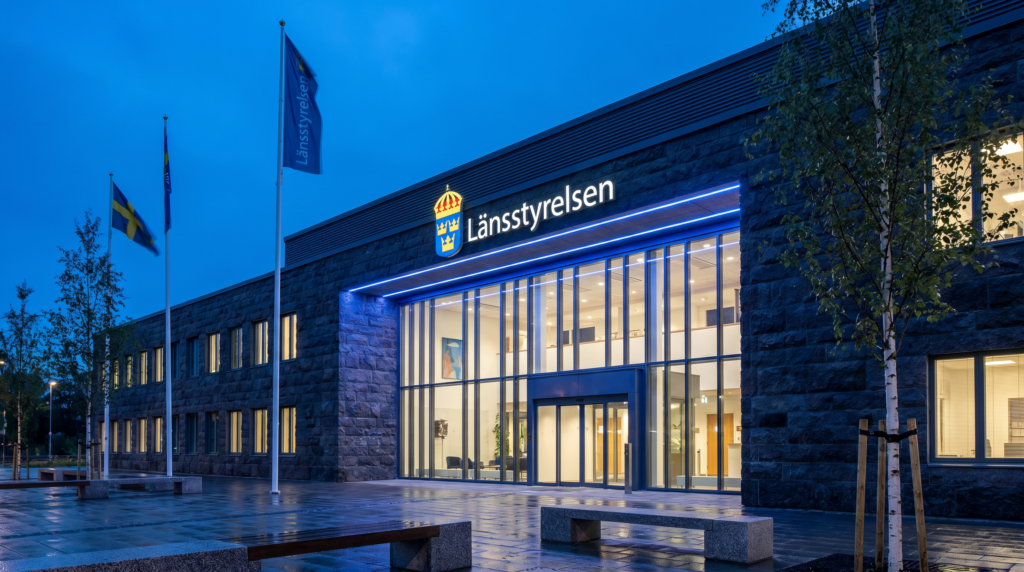
The County Administrative Board, known locally as Länsstyrelsen, acts as the central authority for most medium-sized industrial permits. This body coordinates with other state agencies to evaluate how a project affects the local environment and public health. Additionally, the Swedish Environmental Protection Agency provides national guidance and may intervene in cases with significant national interest.
For smaller, localized operations, the municipal Environment and Health Protection Committee takes the lead. These local bodies monitor compliance with waste management and noise regulations within their specific districts. However, for large-scale projects with a massive environmental footprint, the Land and Environment Court provides the final legal ruling. Engaging with these authorities early in the planning phase can significantly streamline the communication process.
Step-by-step procedure for securing a permit in Sweden
The journey toward obtaining a permit in Sweden begins with a mandatory consultation process, or samråd. During this stage, the applicant meets with the County Administrative Board, the municipality, and affected private individuals. This phase allows stakeholders to voice concerns and helps the applicant identify potential environmental risks early. Consequently, a well-conducted consultation reduces the likelihood of formal appeals later in the process.
Following the consultation, the applicant submits a formal application including a comprehensive Environmental Impact Assessment (EIA). The authority then reviews the documentation and requests supplements if any information is missing. Once the application is complete, the authority publishes it to allow for public feedback. Finally, the governing body issues a decision that includes specific conditions for the operation, such as emission limits and monitoring requirements.
Specific requirements for waste transport permits
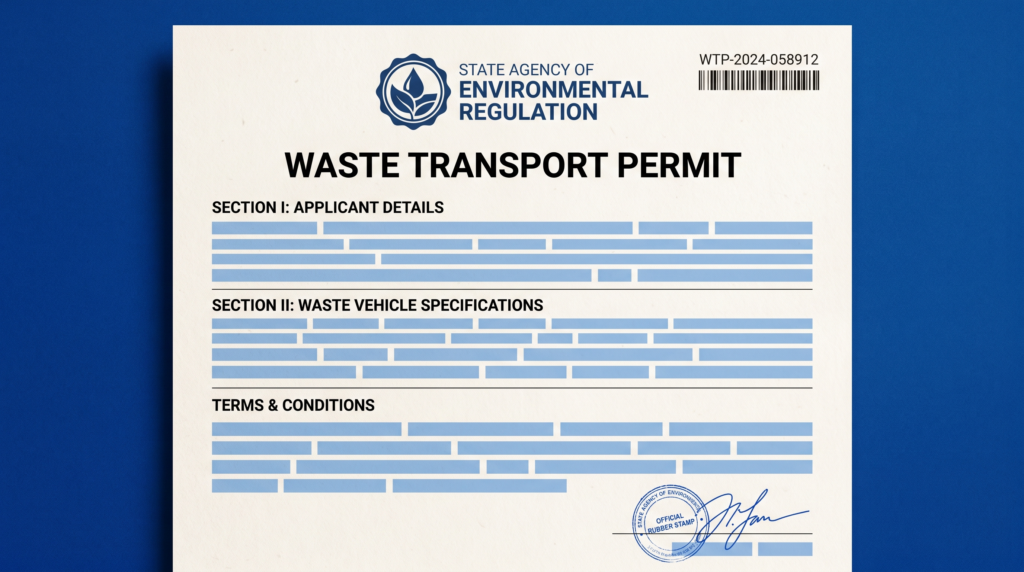
Transporting waste within or through Sweden involves specialized regulations that differ from standard logistics. Specifically, companies must obtain a permit for the professional transport of waste from the County Administrative Board. This requirement applies to both hazardous and non-hazardous materials. Furthermore, the applicant must demonstrate that they possess the necessary technical competence and financial stability to handle waste safely.
If the operation involves cross-border movement, the Swedish Environmental Protection Agency must authorize the shipment. This process adheres to the Basel Convention and European Union regulations regarding the transfrontier shipment of waste. Applicants must provide detailed information about the waste origin, its final destination, and the recovery or disposal methods used. Consequently, maintaining meticulous records of waste types and quantities is essential for regulatory compliance.
Essential documentation and technical requirements
The Environmental Impact Assessment (EIA) represents the most critical document in your application package. It must describe the direct and indirect effects of the activity on humans, animals, plants, land, and water. Moreover, the EIA must include a non-technical summary to ensure that the general public can understand the project’s implications. Providing precise data on energy consumption and resource efficiency will further strengthen the application.
In addition to the EIA, applicants must submit technical descriptions of their machinery and emission control systems. You must also include a plan for self-monitoring, which outlines how the business will track its own environmental performance. Authorities expect detailed maps of the site and information regarding the storage of hazardous chemicals. Therefore, investing in high-quality technical documentation is a prerequisite for a smooth approval process.
Common procedural obstacles and errors

One of the most frequent challenges for applicants is the submission of incomplete or vague documentation. When an application lacks specific data regarding noise levels or water discharge, the authorities must request supplements. This back-and-forth communication inevitably leads to significant delays in the overall timeline. Furthermore, failing to address the concerns raised during the consultation phase can lead to organized local opposition.
Another common error involves a misunderstanding of the strict Swedish timelines. A standard permit process for a B-activity can take between six and twelve months to conclude. If the project is complex, this duration may extend even further. Consequently, many businesses face financial strain because they begin construction or procurement before the permit is legally binding. Understanding these administrative rhythms is vital for realistic project management.
Expert strategies for mitigation and success
To mitigate the risk of delays, businesses should initiate an informal dialogue with the County Administrative Board long before the formal submission. This proactive approach helps identify potential “deal-breakers” early in the design phase. Additionally, hiring local environmental consultants who speak the language and understand Swedish administrative culture provides a distinct advantage. These experts can ensure that the EIA meets the high standards expected by Swedish regulators.
Furthermore, applicants should prioritize transparency and community engagement throughout the process. By hosting informational meetings and addressing local concerns directly, a company can build social capital and reduce the risk of appeals. It is also beneficial to prepare a “plan B” for technical solutions in case the authorities demand stricter emission limits. Ultimately, a thorough and well-researched application remains the best defense against procedural setbacks.
Strategic Integration of Environmental Compliance
Success in the Swedish industrial landscape depends on the early alignment of operational plans with the rigorous standards of the Environmental Code. Obtaining a permit is not merely an administrative hurdle but a validation of technical excellence and sustainable resource management. Companies that prioritize high-quality technical documentation and proactive stakeholder engagement ensure long-term legal security and operational stability.
Author: Jakub Koszyński | Edited by: Paweł Makowski