Waste permit in Belgium: three regions – three approaches to waste management
Conducting business in the waste management sector in Belgium requires a detailed understanding of the specific legal conditions arising from the country’s federal structure. In the following article, we examine the procedures for obtaining environmental permits in the three autonomous regions: Flanders, Wallonia, and the Brussels-Capital Region. We cover key administrative requirements, differences in the competencies of local authorities, and the most common procedural errors made by foreign entities.
Avoid delays, rejections, and lost time
Work with experienced advisors and secure your waste permit in EU faster, without unnecessary delays:
e.nadolna@ekologistyka24.pl , +48 881 045 376
j.blazewicz@ekologistyka24.pl , +48 500 867 153
The legal framework of waste management in Belgium
The Belgian legal system aligns with European Union directives but adds specific regional layers. Each region has translated the EU Waste Framework Directive into local decrees. Therefore, the definition of waste and the requirements for its transport vary slightly depending on your geographic location within the country.
Flanders follows the Decree on Sustainable Management of Material Cycles and Waste. Wallonia operates under the Decree on Waste, while Brussels adheres to the Brussels Green Code. These laws dictate how companies must collect, transport, and treat materials. Compliance is mandatory for both domestic and international entities operating on Belgian soil.
Flanders and the role of OVAM
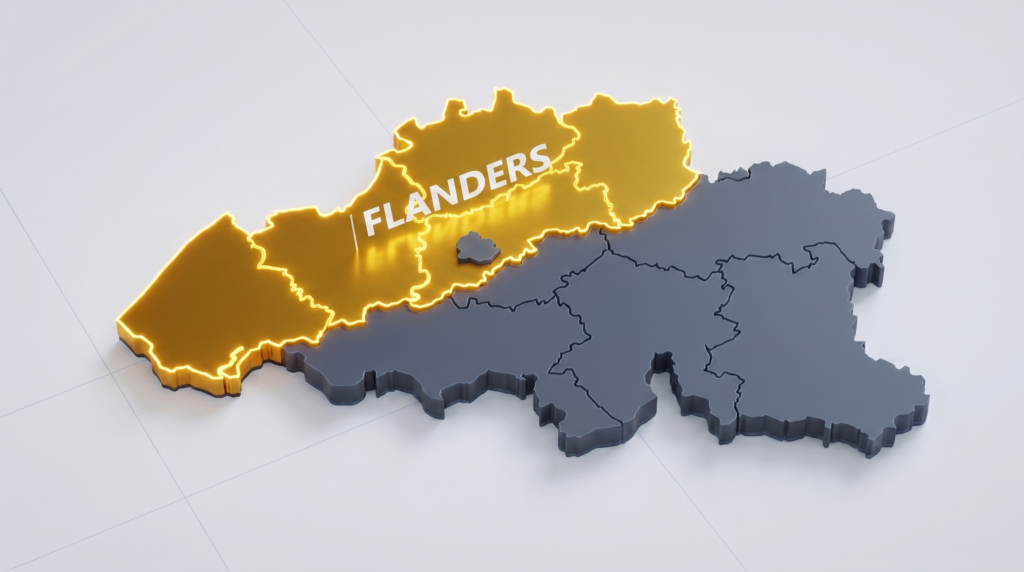
The Public Waste Agency of Flanders, known as OVAM, oversees all waste-related activities in the Flemish Region. If your company transports waste through or within Flanders, you must register as a waste collector or broker. This process is strictly digital and requires specific documentation regarding company identification and insurance.
OVAM emphasizes the circular economy and resource recovery. Their registration process validates that a company possesses the technical capacity to handle waste responsibly. Furthermore, the agency maintains a public database of registered entities. This transparency allows potential partners to verify your compliance status instantly.
Specific requirements for OVAM registration
Foreign companies must provide an official extract from their national commercial register. This document must be recent and often requires a certified translation into Dutch or English. Additionally, proof of professional liability insurance is a critical component of the application. The insurance policy must specifically cover environmental damage and waste transport risks.
Once submitted, OVAM reviews the application to ensure it meets Flemish environmental standards. The registration is usually valid for a limited period, typically ten years. Companies must proactively renew their permits to avoid heavy fines or the suspension of their transport activities within the region.
Wallonia: SPW and environment regional mandates
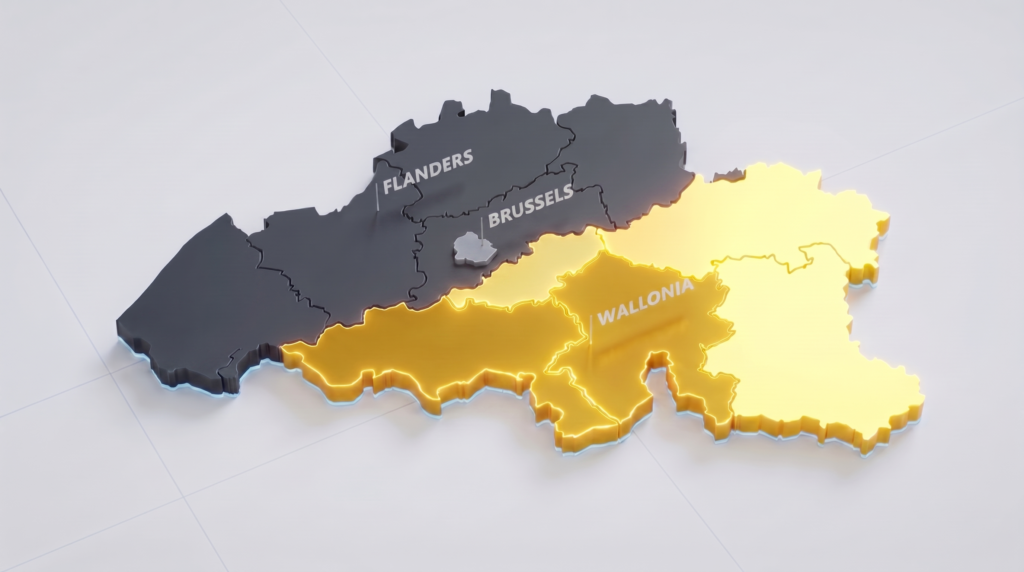
In the southern part of Belgium, the Service Public de Wallonie (SPW) manages environmental permits. Wallonia has a distinct administrative approach compared to Flanders. For example, the region uses the “Collecteur de déchets” (Waste Collector) status, which requires a formal approval process. This process ensures that transporters do not pose a risk to the region’s diverse ecosystems.
Local administration focuses heavily on the traceability of waste movements. Companies must use specific transport documents and maintain a detailed register of their activities. Wallonia also enforces strict rules regarding the transboundary shipment of waste, especially when crossing borders with France, Germany, or Luxembourg.
Procedural differences in the Walloon region
One major difference in Wallonia is the emphasis on the financial solvency of the waste operator. The administration may request proof that the company can cover the costs of potential environmental remediation. Moreover, the application forms are traditionally processed in French, requiring high linguistic accuracy to avoid administrative delays.
Wallonia also implements specific classifications for hazardous versus non-hazardous waste. Each category requires a different level of authorization. Failure to distinguish between these categories during the application process can lead to immediate rejection. Therefore, precise waste characterization is essential before approaching the SPW.
Brussels-capital region: urban waste regulations
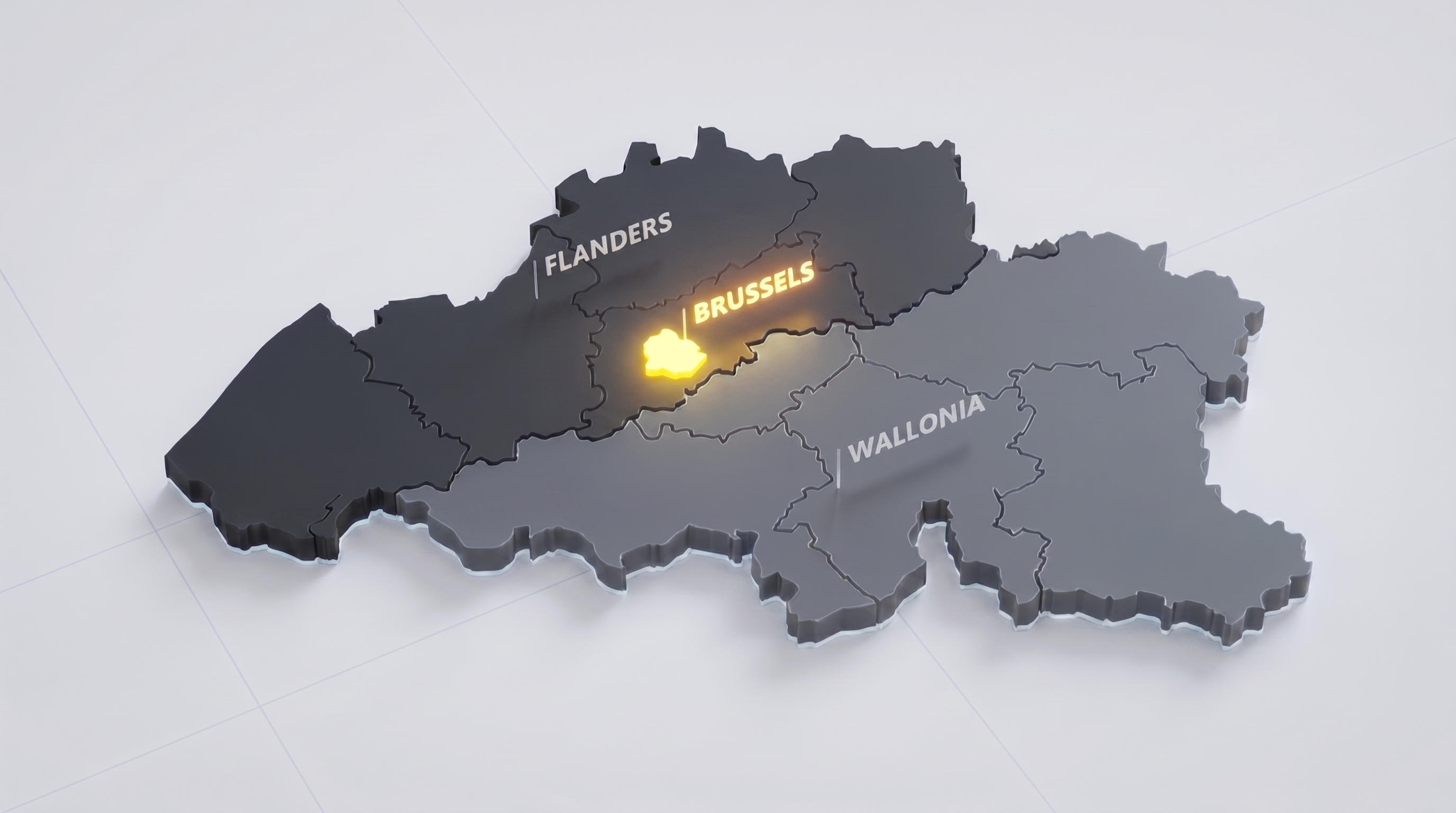
The Brussels-Capital Region, managed by Brussels Environment (Bruxelles Environnement), presents its own set of challenges. Due to its high population density and urban layout, the region focuses on logistics and noise reduction. Any company transporting waste in the nineteen municipalities of Brussels must hold a specific regional registration.
Brussels often requires more frequent reporting than the other two regions. The authorities track the volumes of waste entering and leaving the city to optimize urban planning. Consequently, companies must be prepared for digital reporting via regional platforms. This ensures that the environmental impact of transport stays within acceptable limits.
Common mistakes made by foreign companies
The most frequent error is the assumption that a permit from one region is valid nationwide. Many international firms secure an OVAM registration and mistakenly believe they can legally operate in Wallonia or Brussels. This misunderstanding often results in impounded vehicles and significant administrative penalties during roadside inspections.
Another common pitfall involves the language barrier. Official documents must often be submitted in the specific language of the region (Dutch for Flanders, French for Wallonia). Providing documents in the wrong language or using poor translations can stall the process for months. Accuracy in terminology is non-negotiable for Belgian regulators.
Improper documentation and insurance gaps
Many companies fail to align their insurance policies with Belgian requirements. A standard European transport insurance may not satisfy the specific environmental clauses required by OVAM or SPW. It is vital to check if your policy explicitly mentions “pollution” and “waste management” coverage within the Benelux territory.
Furthermore, firms often neglect the requirement for an “active” EORI number. While this is a customs requirement, it is inextricably linked to the legal identity of a waste carrier in Belgium. Without a synchronized administrative profile, the permit application will likely face technical rejection at the preliminary stage.
Ensuring full regulatory compliance
To achieve full compliance, companies should adopt a centralized management strategy for their waste permit Belgium requirements. This starts with a thorough audit of the types of waste intended for transport. Once the waste codes are identified, you must apply to all three regional agencies simultaneously to ensure seamless coverage across the country.
Appointing a dedicated compliance officer or partnering with a local consultant can mitigate risks. These experts stay updated on legislative changes and renewal deadlines. Consistent monitoring of the official journals of Flanders, Wallonia, and Brussels is necessary to anticipate shifts in environmental policy.
Roadmap for waste transport success
The first step in your roadmap should be the acquisition of a digital certificate for Belgian government portals. This allows for the electronic submission of applications and the management of transport documents. Secondly, ensure all drivers carry digital or physical copies of all three regional permits at all times to satisfy inspectors.
Finally, implement a robust record-keeping system. Belgian law requires companies to store waste transport data for several years. Regular internal audits of these records will prepare your firm for potential government inspections. A proactive approach to compliance not only avoids fines but also builds a reputation for reliability in the Belgian market.
Future outlook: digitalization and uniformity
Belgium is moving toward greater digitalization in waste tracking. Systems like the “Electronic Waste Consignment Note” are becoming more prevalent. While the three regions remain legally distinct, they are increasingly collaborating on shared digital platforms to simplify the burden on businesses. Staying ahead of these technological shifts is a competitive advantage. Companies that embrace digital reporting early will find the renewal of their waste permit in Belgium much smoother. As the European Green Deal evolves, Belgian regions will likely tighten their standards, making early and thorough compliance even more critical for long-term operations.
Author: Jakub Koszyński | Edited by: Paweł Makowski